
Composite bonding is a popular cosmetic dental procedure in the UK that involves applying a tooth-coloured composite resin material to the teeth to improve their appearance. This procedure is also known as composite veneers, cosmetic bonding, and teeth bonding. As experienced private dentists in Manchester and private dentists in London, we recognise the importance of fully understanding a procedure before choosing a treatment. So, in this complete guide to composite bonding, we’ll explore everything you need to know about the treatment, from its benefits and advantages to aftercare tips and potential risks.
How Does Composite Bonding Work?
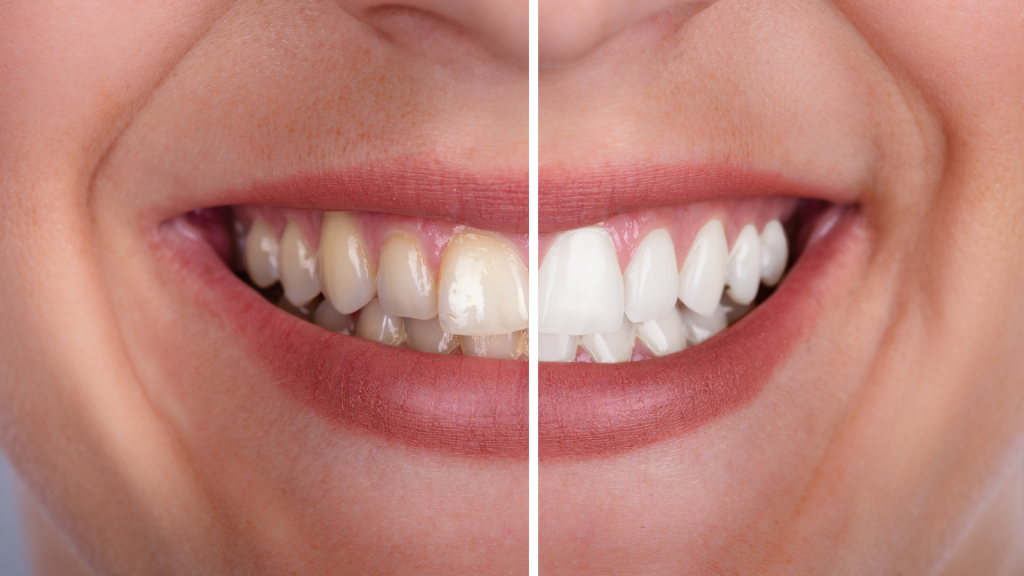
Composite bonding is a procedure that allows repairing or reshaping teeth – it’s suitable for addressing cosmetic concerns, including chipped or broken teeth, closing gaps, or fixing discolouration. The composite resin material is applied to the teeth in layers and then sculpted and polished to achieve a natural-looking result that blends seamlessly with the surrounding teeth.
Is Composite Bonding Worth It? The Benefits
Composite bonding offers several benefits and advantages that make it a popular cosmetic dental procedure. Here are some of the most notable advantages:
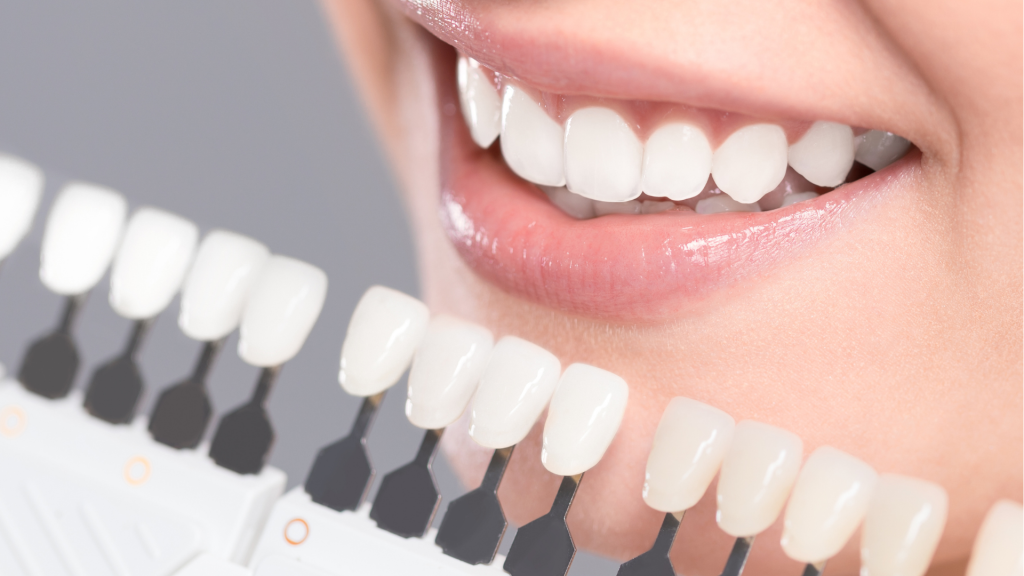
- Improved appearance. Composite bonding can enhance the appearance of teeth by addressing a variety of issues such as chipped, cracked, or stained teeth, gaps, and misshapen teeth. The composite resin material can be colour-matched to the surrounding teeth, creating a natural-looking result.
- Non-invasive. Unlike other cosmetic dental procedures such as veneers or crowns, composite bonding does not require any removal of tooth enamel. This means that it is a non-invasive procedure that does not cause any pain or discomfort.
- Quick and easy. Composite bonding is a relatively quick and easy procedure that can be completed in a single visit to the dentist. There is no need for multiple appointments or temporary restorations.
- Affordable. If you’re wondering ‘how much is composite bonding?’, well, compared to other procedures, this treatment is generally more affordable.
- Long-lasting. Proper care and maintenance of your composite bonding can make them last for several years, offering a durable and long-lasting solution.
Overall, composite bonding is a versatile, non-invasive, and affordable way to improve the appearance of teeth and achieve a beautiful, natural-looking smile.
Why Would You Need Composite Bonding?
If you are unhappy with the appearance of your teeth and are looking for an affordable, non-invasive way to improve your smile, composite bonding may be a suitable treatment option for you. Unlike other cosmetic dental procedures, composite bonding is non-invasive and does not require any removal of tooth enamel, making it a painless and comfortable treatment option.
This treatment is quick and easy to perform and can be completed in just one visit to the dentist, which is ideal for those with a busy schedule. Moreover, the composite resin material used in the procedure is colour-matched to the surrounding teeth, creating a natural-looking result that blends seamlessly with the rest of your smile.
Things to Consider Before Choosing Composite Bonding
Before undergoing composite bonding, a few preparations may be required. Firstly, your teeth must be evaluated to ensure you are a suitable candidate for the procedure. We will also take X-rays or impressions of your teeth to create a treatment plan. If you have any existing dental issues, such as cavities or gum disease, these must be treated before the composite bonding procedure.
 During the composite bonding procedure, your dentist will begin by cleaning and preparing the surface of your teeth. They will then apply a special bonding agent to the surface of the teeth and then apply the composite resin material in layers, sculpting and shaping it to achieve the desired result. Once the composite resin has been applied, it will be hardened using a special light. The final step involves polishing and shaping the composite material to create a smooth and natural-looking result.
The procedure is relatively quick and straightforward; most patients experience little discomfort. You should expect to be in the dentist’s chair for a few hours, depending on the extent of the treatment. After the procedure, you may experience some mild sensitivity or discomfort, but this should subside within a few days.
Aftercare and Maintenance
After undergoing treatment for our composite bonding in Manchester or composite bonding in London, following proper aftercare instructions is crucial for maintaining your new smile.
To take care of your composite bonding:
- avoid consuming staining foods and beverages
- practice good oral hygiene
- refrain from using your teeth as tools
- wear a mouthguard
- be aware of any changes or discomfort.
It’s important to note that the composite material used in the procedure is not as strong as natural tooth enamel, so excessive force may cause chipping or breaking.