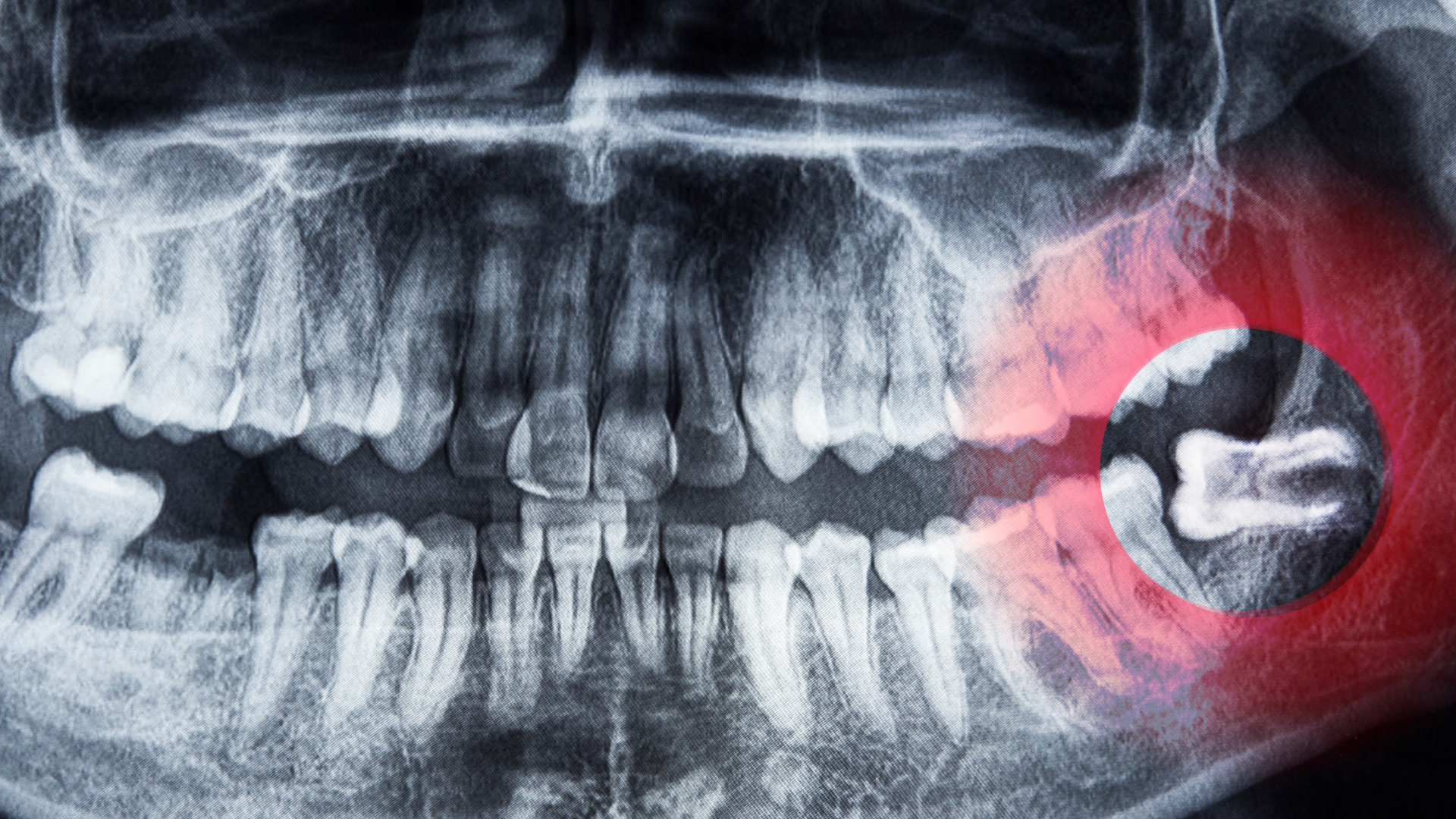
Wisdom teeth are the final molars that grow at the very back of your mouth. There are two on the top and two on the bottom. They typically emerge when an adult is between 18 and 25, and can have between one and four roots and, occasionally, they present themselves horizontally in the jawline.
Not everyone’s wisdom teeth break the gum, and some people can get them later in life too. It’s more common to have issues with these teeth than any other and the NHS believe that wisdom tooth extraction is one of the most common surgical procedures in the UK.
Why Are Wisdom Teeth Taken Out?
Wisdom teeth can cause severe discomfort. Because they are the last to arrive, there is often not enough room in the gum for them to emerge properly. This is known as an impacted wisdom tooth, which can cause significant pain and even damage nearby teeth as they push through.
Due to the tight space at the back of the mouth, brushing and flossing wisdom teeth can be difficult. This lack of access easily leads to cavities, decay and painful infections. In many cases, dentists recommend the removal of wisdom teeth before they fully grow to prevent the risk of cysts or long-term damage to the roots of adjacent teeth.
Simple vs. Surgical: What to Expect from Wisdom Teeth Removal?
We remove wisdom teeth in one of two ways, depending on how your tooth has grown:
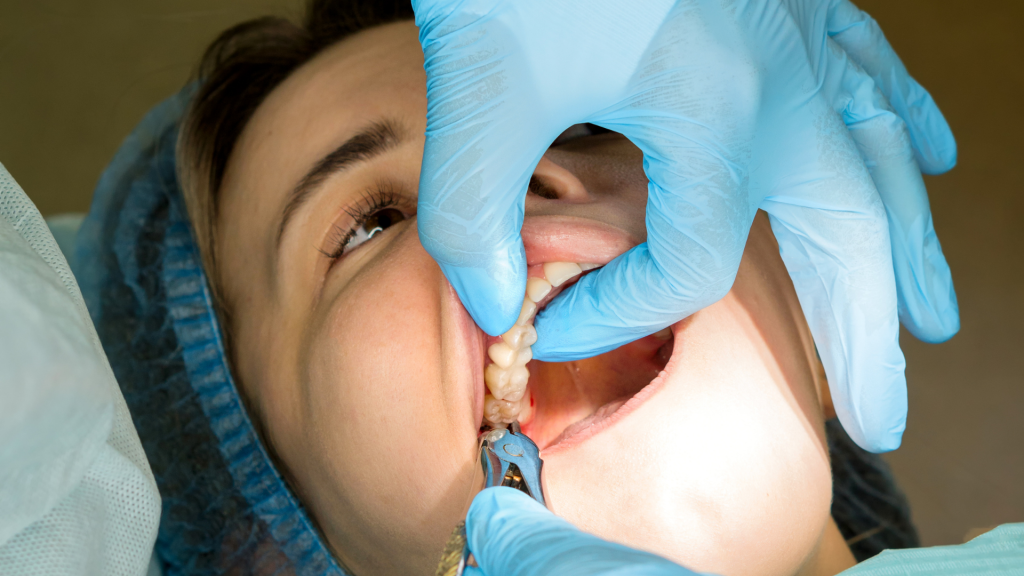
Simple Wisdom Tooth Extraction: If the tooth has fully emerged above the gum, it is removed like any other standard tooth. The tooth is gently loosened, and forceps are used to extract it. This is typically a very fast procedure.
Surgical Wisdom Tooth Extraction: If the tooth is a lower wisdom tooth, below the gumline, or only partially showing, a surgical extraction is required to safely and completely remove it. This involves a small incision into the gum.
Regardless of the extraction type, you will always receive anaesthetics to thoroughly numb the area around the tooth. You will feel pressure, but absolutely no pain. If you suffer from dental anxiety, we also offer dental sedation to ensure you are completely relaxed and comfortable throughout the procedure.
How to Prepare for Wisdom Teeth Removal
Your dentist will provide a comprehensive consultation before your appointment, but it is always best to prepare in advance:
- Book time off: Arrange a day or two off work and organise childcare if needed. You will need a brief recovery period.
- Arrange transport: Let your dentist know if you have taken any medication, as this can affect the anaesthetics used.
- Fasting: If you are being sedated, please DO NOT eat or drink anything for 2 hours before the procedure.
- Medication: Inform your dentist of any regular medications you take, as these can interact with the anaesthetics.
- Stock up on food: Buy soft, easy-to-eat foods for your recovery.
The Wisdom Teeth Removal Process
If your wisdom tooth hasn’t cut through the gum, or is only partially over the gum, then a small incision will be made into your gum to access the tooth. It’s also possible that some of the jawbone may need to be removed too. Your dentist may cut the tooth into smaller parts to make it easier to remove.
Your dentist will carefully widen the tooth socket by rocking the tooth backwards and forwards; you will feel pressure, but no pain due to the anaesthetics. If, at any point, you do feel pain, let your dentist know so they can supply more anaesthesia.
Once extracted, the gum is stitched (usually with dissolvable stitches), and your dentist will ask you to bite down on gauze to put pressure onto the area where your tooth has been extracted from. This helps a protective blood clot form.
Wisdom Tooth Extraction Recovery and Pain Relief
Recovery times vary, but standard healing takes no longer than two weeks. During the first few days, you may experience:
- Swelling in the mouth and cheeks
- Mild bruising
- A sore, stiff jaw
- An unpleasant taste in your mouth
Managing Swelling: Apply a cold compress or ice pack to your face for 15 minutes on, 15 minutes off. After 24 hours, switch to a warm compress to further reduce swelling. You can also gently rinse your mouth with warm salt water, but wait at least 24 hours after your procedure to do this so you do not dislodge the blood clot.
Managing Pain: Over the counter remedies like ibuprofen and paracetamol are highly effective. Your dentist will advise you on pain management and can provide a stronger prescription if required. Avoid strenuous exercise for a few days, and sleep with an extra pillow to keep your head elevated.
What to Eat After Wisdom Teeth Removal
Avoid the urge to rinse your mouth or spit forcefully for at least 24 hours. To protect the extraction site and ensure a smooth recovery:
- Eat soft foods: Soups, broths, mashed potatoes, scrambled eggs, and ice cream are ideal for the first few days.
- Avoid hot drinks: Extreme heat can dissolve the healing blood clot.
- Avoid chewy, hard, or spicy foods: Seeds and grains can get lodged in the wound, while chewy foods can dislodge the blood clot and lead to a painful condition known as “dry socket.”
- Avoid alcohol and smoking: Both severely delay healing and can interfere with your medication.
For more information about wisdom teeth, explore our blog for helpful advice and everything you need to know:
Expert Wisdom Teeth Removal in London & Manchester
At Bespoke Dental & Implant Clinic, we specialise in complex dental treatments, including offering premium wisdom teeth extractions in both London and Manchester. Our highly experienced dental surgeons ensure you receive bespoke care, painless treatment, and all the aftercare knowledge you need to recover quickly.
Don’t wait months in pain. If you need expert advice, a second opinion, or want to bypass the waiting lists, contact us today. If you are experiencing severe pain and require immediate help, please call our emergency dental team on 0161 637 7370.