A commitment to caring for your dental health is one of the most important decisions you’ll make for your overall well-being. It is common knowledge that brushing and interdental cleaning at least twice a day is a meaningful way to maintain the health of your teeth and mouth, but few people know exactly what they’re protecting their health from.
A diet high in sugar, smoking, and skipping brushing can negatively affect your dental health profoundly. Leaving these issues untreated will escalate into severe problems that can potentially affect you permanently. One of the most common and destructive is gum disease.
What is Gum Disease?
Maintaining a daily cleaning regimen will work wonders in removing harmful bacteria and preventing more significant issues from developing, such as gum disease.
Poor dental hygiene allows the bacteria that collects throughout a typical day to develop into dental plaque. Unclean teeth lead to build-up of dental plaque along the gum line, making the gums vulnerable to infection, bad breath and even loss of teeth.
Understanding Periodontal Disease
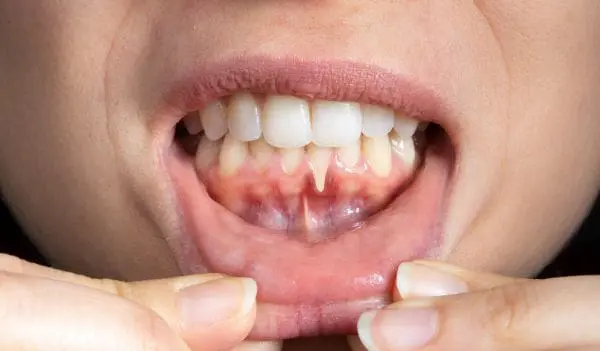
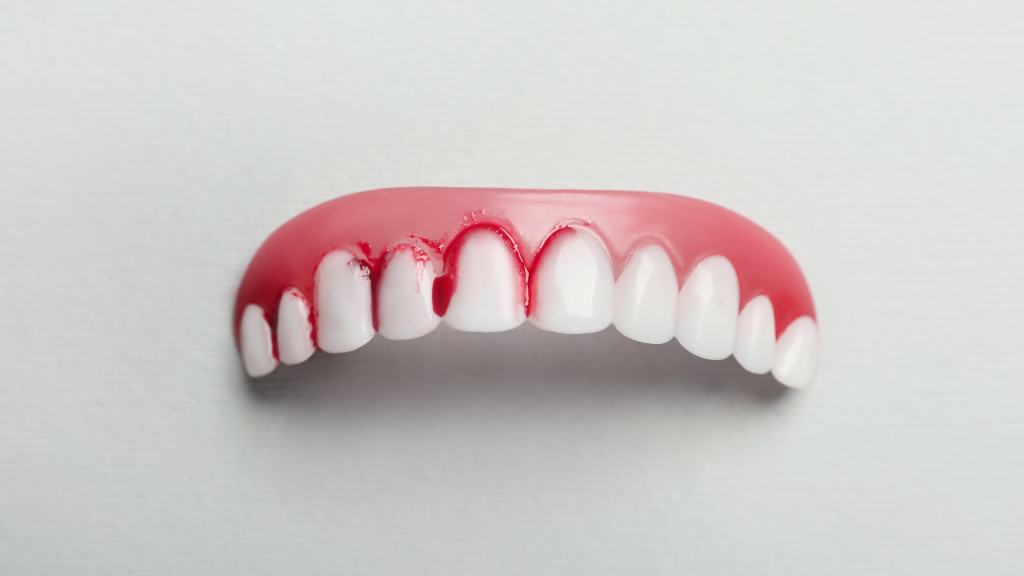
As your body fights the infection caused by the bacteria build-up, the gums will become painfully inflamed, and the resulting chemicals will damage the nearby teeth and gums. This is an example of a severe gum disease called periodontal disease.
In addition to this painful infection, gum disease will inflict chronic bad breath called halitosis. Halitosis results from small decaying food particles getting stuck between your teeth and collecting bacteria. This bacteria releases chemicals such as sulfides, which create a terrible smell and give the owner pungent breath.
Unfortunately, the symptoms of periodontal disease are not apparent right away, and they only become readily visible once they have advanced. Halitosis is one of the main symptoms, but other symptoms include:
- Painfully inflamed gums which recede or bleed when brushing
- Loose or separating teeth
- Pus where your teeth and gums connect
These reasons and more are why it’s highly recommended that you embrace preventative measures by maintaining a high level of dental hygiene daily with simple brushing and flossing. Additionally, you can catch any problems early by attending regular check-ups with your dentist.
How Gum Disease Escalates
There are four main stages of periodontal disease that progress as your gum disease escalates:
- Gingivitis: The initial stage of gum disease. This forms from plaque build-up around the teeth and is best recognised by bleeding gums. Most gingivitis symptoms are painless, making it difficult to detect and preventing it in the first place is essential.
- Mild Periodontal Disease: This is when the infection has settled into the bone. The disease begins to destroy the bone and teeth and requires an intensive cleaning to remove the destructive bacteria.
- Moderate Periodontal Disease: An escalation of the disease from attacking the infected bone to infecting the bloodstream.
- Severe Periodontal Disease: The final stage of the disease. At this point, the bacteria have evolved into disease-causing bacteria. Symptoms include oozing pus, loose teeth, pain when chewing, and even significant bone loss. If left untreated, you can lose teeth and potentially require replacement teeth, such as a set of dentures from our expert team in London and Manchester.
The sooner periodontal disease is treated, the quicker and easier it is to manage. So if you feel something is wrong, consider contacting one of our emergency dentists in London or Manchester to get treated as soon as possible.
Negative Health Effects
The mouth is the gateway to the rest of the body. Whatever issues your mouth may have will not stay limited to your mouth; it’s not long before it begins to harm your health elsewhere and in the most unexpected ways, for example:
- Increased Stroke Risk: The risk of stroke increases when someone has gum disease. Arterial narrowing and heart disease develop when the bacteria enter the bloodstream through the gums. Additionally, blood clotting is increased due to the presence of bacteria.
- Links to Dementia: Researchers have discovered that adults with tooth loss are at a higher risk of cognitive impairment associated with Alzheimer’s and dementia. Gum infections spread inflammatory substances that can cause brain inflammation and brain cell death.

Is Gum Disease Reversible?
A very common question we hear is: “Can gum disease be reversed?” or “Is periodontal disease reversible?”
When it comes to gum disease, prevention is always the right choice. Unfortunately, advanced periodontal disease is a chronic, degenerative condition that is not currently curable. However, whilst it’s not reversible, it is manageable. With your dentist’s advice and specialised treatments, you can limit the damage that gum disease causes.
However, it is possible to reverse gingivitis in its early stages. First, your dentist will perform a deep cleaning to remove tartar from both the teeth and gums. Certain mouthwashes and saltwater rinses will also help remove this initial bacteria and prevent it from developing into periodontal disease.
Expert Hygienist and Dentist Advice
At Bespoke Dental & Implant Clinic, we pride ourselves on helping people maintain the highest dental hygiene for their teeth and gums. With our expert team of private dentists in London and Manchester, we offer the most advanced dentistry techniques in the world to make sure that our patients receive the highest quality results for their essential dental care.
If you feel any of the mentioned symptoms match how you’re feeling, consider getting yourself checked out by our expert emergency dentists in London or Manchester. Alternatively, consider booking your next check-up online today and let us help you avoid gum disease entirely with our invaluable advice on preventative measures.